The Svalbard Treaty: Norway's, but open to all
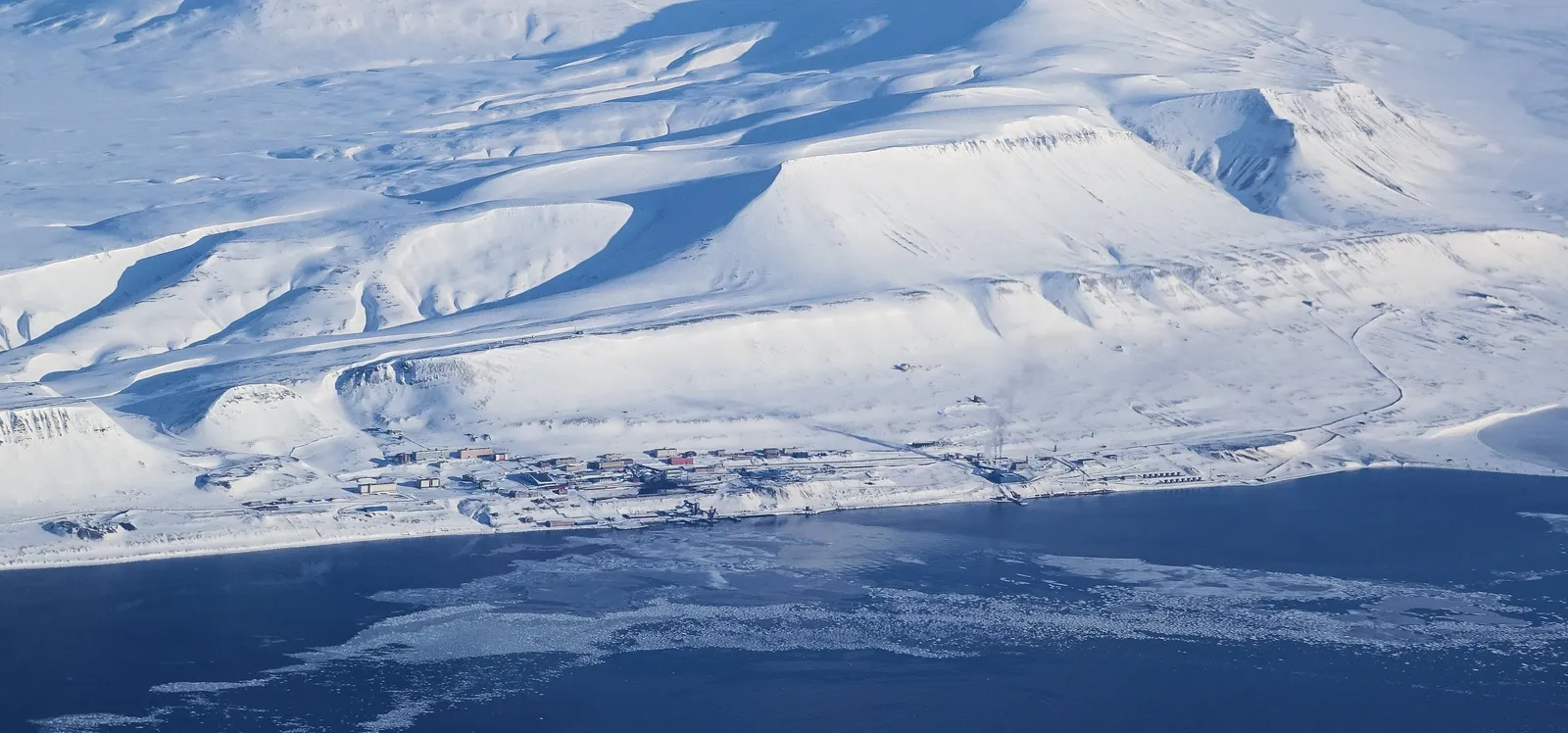

Here’s a riddle. Which place is part of Norway, yet has a Russian mining town, needs no visa, charges no VAT and isn’t allowed a naval base? The answer is Svalbard, and the reason is a short treaty signed in Paris more than a hundred years ago.
Nobody’s land
For centuries Svalbard belonged to no one. Whalers came in the 1600s, Russian trappers from the early 1700s, and later explorers, scientists and miners from all over. It was known simply as no man’s land.
That worked fine for hunting. It worked much less well for coal mining, which needs land rights, laws and someone to settle disputes. With no state in charge there were no rules, no courts and nobody to ask.
The deal of 1920
On 9 February 1920, nine countries signed the Svalbard Treaty in Paris: Norway, the United States, Denmark, France, Italy, Japan, the Netherlands, Great Britain and Sweden. It came into force on 14 August 1925, the same year a Norwegian law made Svalbard part of the Kingdom of Norway.
The deal gives Norway full and unrestricted sovereignty, with a few famous strings attached.
Photo: Ssu, CC BY-SA 4.0

The strings attached
- Equal rights for all signing countries. Their citizens and companies have the same rights as Norwegians to live there, to fish and hunt, and to run businesses, including mining. That’s why there’s a Russian mining town, Barentsburg, on Norwegian territory.
- No visa for Svalbard itself. Because of the treaty, Norway’s Immigration Act doesn’t apply, and you need no visa or residence permit to go to Svalbard. You do have to be able to support yourself.
- Taxes stay on the islands. Norway may only collect what Svalbard itself needs. Income tax is lower than on the mainland, and there’s no VAT.
- No naval bases. No naval base or fortifications may be built, and Svalbard may never be used for warlike purposes.
The treaty is still open to new members. Almost 50 countries have joined so far, and more still sign up.
The small print
- You’ll still pass through mainland Norway, which is in Schengen, on the way. So if you need a Schengen visa for Norway, you still need one, with double entry. See Getting there.
- Equal doesn’t mean unregulated. Norway can’t treat people differently by nationality, but it can and does set strict rules for everyone, from environmental protection to who can stay.
- The sea is a sore point. Norway says the treaty covers the islands and their 12-nautical-mile territorial waters, but not the wider fishing zone or the continental shelf. Several other countries disagree, and the question is still unresolved.
Bonus fact
The name Svalbard first turns up in the Icelandic annals in 1194. The older name, Spitsbergen, comes from the islands’ jagged peaks, and was the name the treaty itself used.