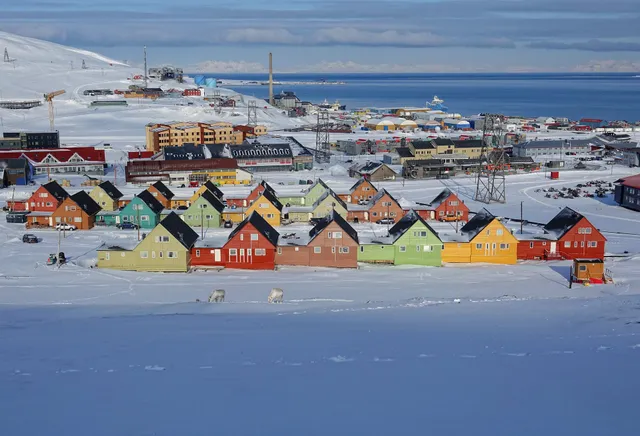
Why Longyearbyen takes its boots off
In Longyearbyen you take your boots off at the hotel, the museum and even the library. Blame the coal: the habit goes back to the town's mining days.
Curious facts and short stories about Svalbard, its history, nature and everyday life.
In Longyearbyen you take your boots off at the hotel, the museum and even the library. Blame the coal: the habit goes back to the town's mining days.
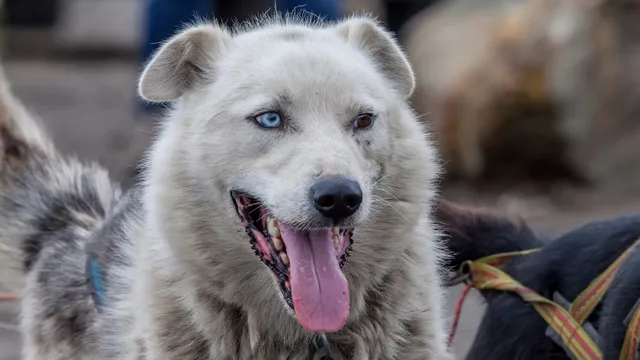
How many dogs does Longyearbyen have? Hundreds of sled dogs in five dog yards, a lot of pets, rabies rules for every dog and no cats allowed at all.
Photo: Andreas Weith, CC BY-SA 4.0
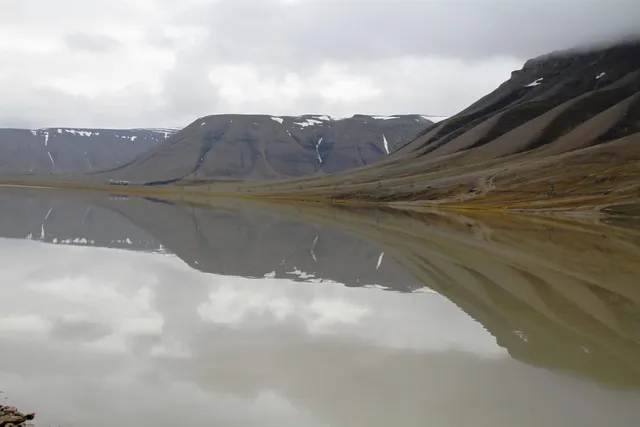
Why Longyearbyen advises against drinking its tap water: manganese, then sulfate and nickel. A sip won't hurt you, and free drinking water is at the Coop store.
Photo: Bjoertvedt, CC BY-SA 3.0 no
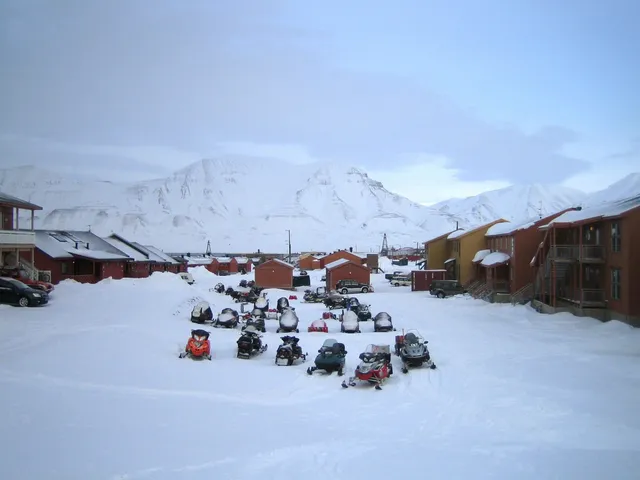
Svalbard has about 3,000 registered snowmobiles, more than one for every resident of Longyearbyen and Ny-Ålesund. How it got there, and what it means for you.
Photo: Schwarz Weiss, CC BY-SA 3.0
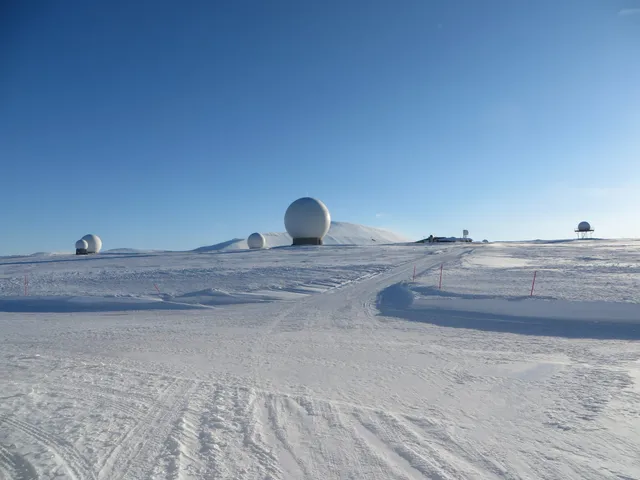
Why a small Arctic archipelago matters to Russia, NATO and China: submarine routes, satellites that see every polar orbit, undersea cables and research rules.
Photo: Bernt Rostad, CC BY 2.0
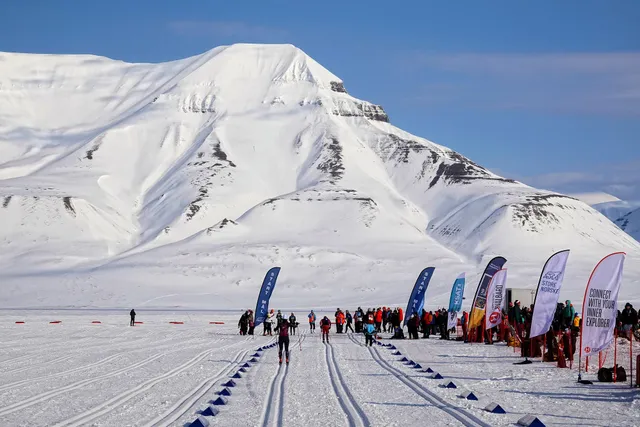
Svalbard has two marathons: one on skis in April and one on foot in June. Both claim to be the world's northernmost, and both come with armed polar bear guards.
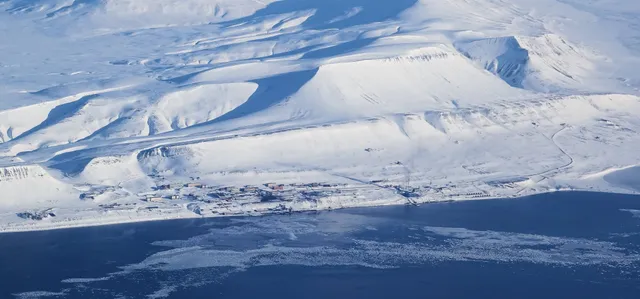
Svalbard was once no man's land. A 1920 treaty made it Norwegian, but let citizens of every signing country live, work, fish and mine there on equal terms.
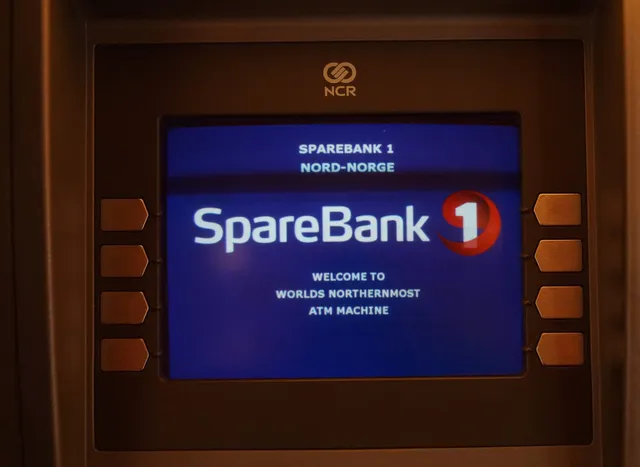
Longyearbyen has no bank branch and no cash machine. In one of the world's most digital countries, nobody seems to miss them. Bring a card, not cash.
Photo: Count Iblis, Public domain
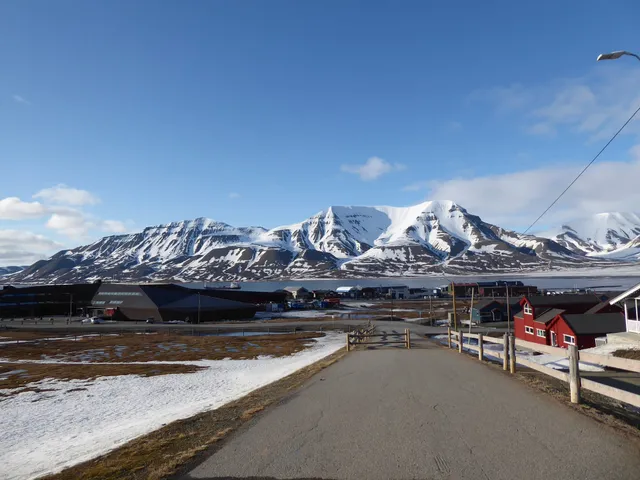
Longyearbyen's roads have numbers, not names, a habit from the coal mines. Only one road has a name, and the neighbourhoods have nicknames like Cowboy town.
Photo: R. Henrik Nilsson, CC BY 4.0


