Safety in Svalbard
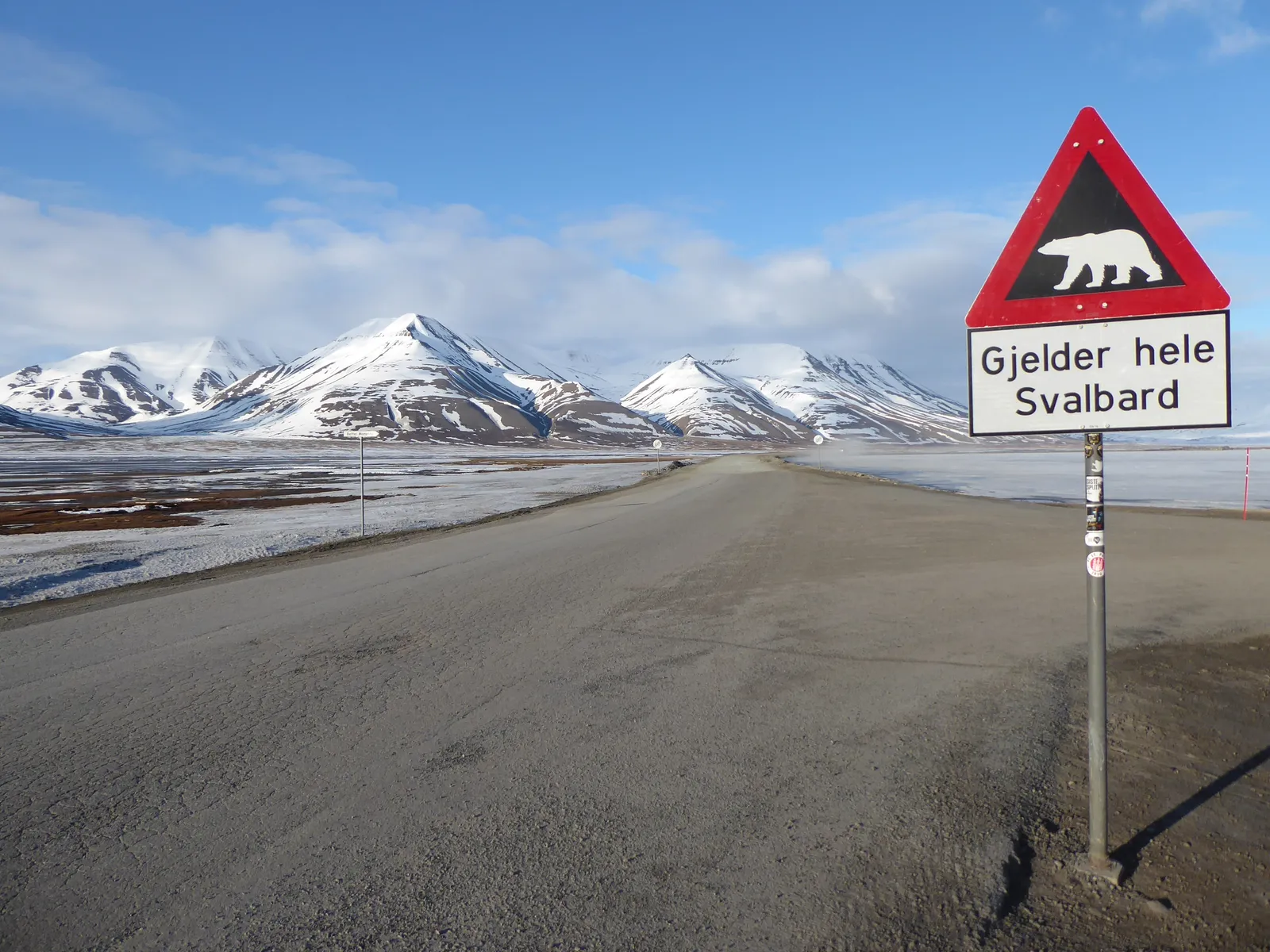
Photo: R. Henrik Nilsson, CC BY 4.0

Svalbard is one of the largest wilderness areas left in Europe. Its rescue services are good, but the area is huge and conditions can be extreme, so a rescue can be very difficult or even impossible. Your safety is your own responsibility.
None of this should put you off. Most trips go well because people prepare, respect the conditions and, if they lack the experience, go with a guide. This page covers the main risks. Polar bears have their own page: Polar bear safety.
Emergency numbers
- 112: emergency (police and rescue). It doesn’t work from satellite phones.
- 113: medical emergency. Longyearbyen Hospital: +47 79 02 42 00.
- 02800: the police officer on duty.
- +47 79 02 12 22: the Governor’s hotline. Use this number from a satellite phone, and always dial the +47 (or 0047) prefix.
When you call for help, say who you are, where you are (GPS position and place name), what has happened, how many people are in your group and how many are hurt, what equipment you have, and what the weather is like.
Healthcare is limited
Longyearbyen Hospital is small and built mainly for the local population. It handles emergencies, and patients with complicated or life-threatening conditions are flown by air ambulance to the University Hospital of North Norway in Tromsø.
- Insurance is essential. Svalbard is outside the EEA and Schengen, and the European Health Insurance Card does not cover healthcare or air ambulance here. You may have to pay. Get insurance that covers medical treatment, transport to the mainland and medical evacuation.
- Bring your medicines in your hand luggage, with enough to cover delays. Luggage can be delayed, your medicine may not be available on the island, and the hospital may not have time to write a new prescription.
In and around Longyearbyen
- Inside the town limits you can walk on your own without polar bear protection, as long as you don’t pass the polar bear warning signs. Polar bears are still occasionally seen in the settlements, especially in the dark season. Report any sighting to the Governor at once. See Polar bear safety.
- Be visible. In the dark season, roads are dark and slippery. Wear reflectors, use bicycle lights, and take extra care around children, ski slopes and schools.
Going beyond the settlements
- Go guided unless you are experienced. If you don’t have the knowledge and experience to travel on your own, join an organised trip. On a guided trip, the operator is responsible for your safety.
- Travelling independently? Outside the travel area around Longyearbyen, visitors must apply to the Governor at least four weeks before the trip and carry search and rescue insurance. The required cover is NOK 120,000, NOK 350,000 or NOK 650,000 depending on the zone.
- Expect no mobile signal outside the settlements. Carry an emergency beacon (PLB), which can start a rescue in a life-threatening situation. A satellite phone is useful, but it doesn’t replace the beacon.
- Tell someone your plan: your route, how long you’ll be away, alternative routes and equipment. Agree on a time after which they report you missing.
Weather and cold
The weather may be the greatest challenge in Svalbard. Cold air from the north meets warm air from the south, so conditions can change very suddenly:
- Summer averages about 5 °C, and can bring thick fog.
- Winter temperatures can fall to −30 °C, and wind makes it feel far colder. Whiteouts can erase all visibility.
- Frostbite is among the most common injuries in Svalbard, mostly because of missing or wrong clothing. Cover all bare skin in winter, including your face, and always bring extra mittens and an extra hat, even on short trips.
- Plan with generous time margins. Weather causes delays and equipment failures.
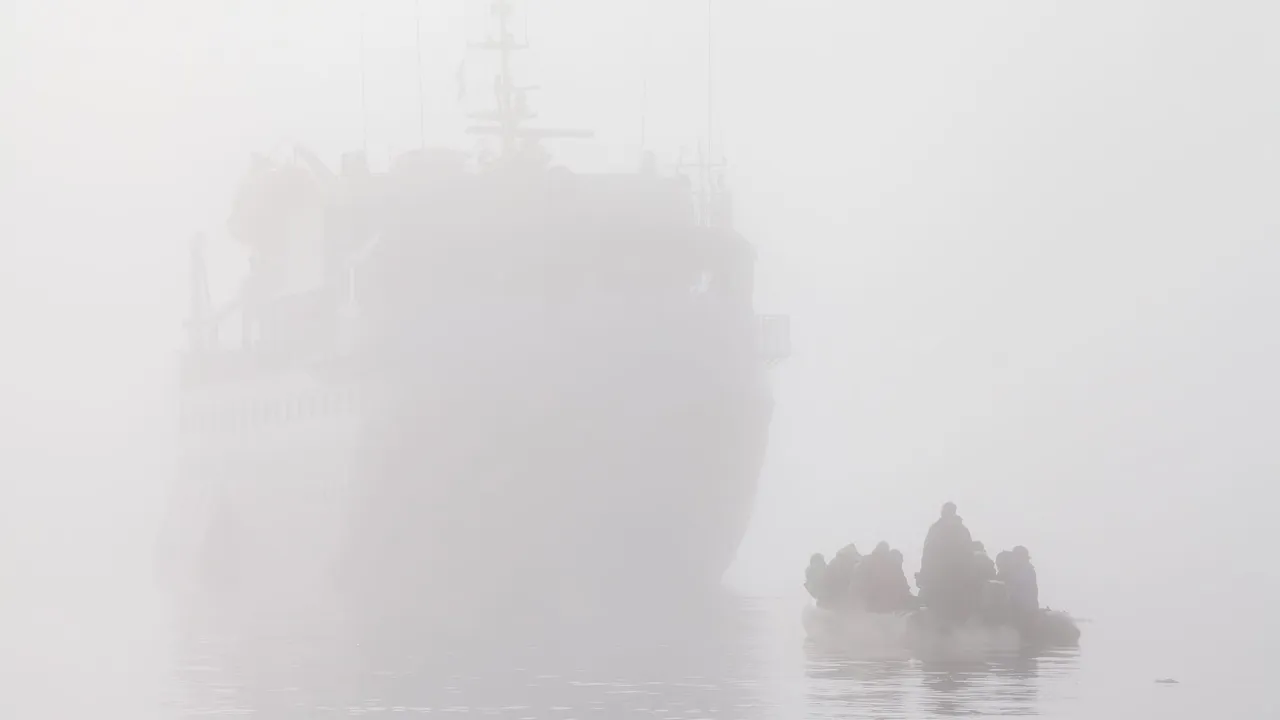
Photo: Andreas Weith, CC BY-SA 4.0

Avalanches
Wind moves a lot of snow in Svalbard, and several popular routes from Longyearbyen cross areas of significant avalanche danger. Be especially wary after snowfall, wind or big swings in temperature, and during the polar night, when the risk is hard to judge.
- Check the forecast. Varsom.no publishes avalanche warnings for Nordenskiöld Land, the region around Longyearbyen, every day from 1 December to 31 May.
- Avoid avalanche terrain: steep, snow-loaded slopes, narrow valleys and slopes below overhanging snowdrifts.
- Carry ASSA: avalanche transceiver (sender and receiver), shovel and probe, and know how to use them.
Glaciers, sea ice and water
- Glaciers. About 60% of Svalbard is covered by ice. All glaciers have crevasses and meltwater channels, usually hidden under snow bridges. Travelling on glaciers takes specific skills and equipment, and a route that was safe one year may not be the next.
- Sea ice varies in extent and thickness from year to year and from place to place, and can change suddenly. Measure its thickness before you set out, and keep measuring along the way.
- Glacier fronts calve without warning, causing waves and throwing out ice. Keep several hundred metres away.
- The sea is cold: usually between 0 and 7 °C, even in summer. Wear a survival suit in open boats and small vessels.
- Rivers can change dramatically within 24 hours as snow and glaciers melt, and their brown water hides the depth.
- Walrus can be aggressive towards kayaks and small boats. Keep your distance on land and at sea.
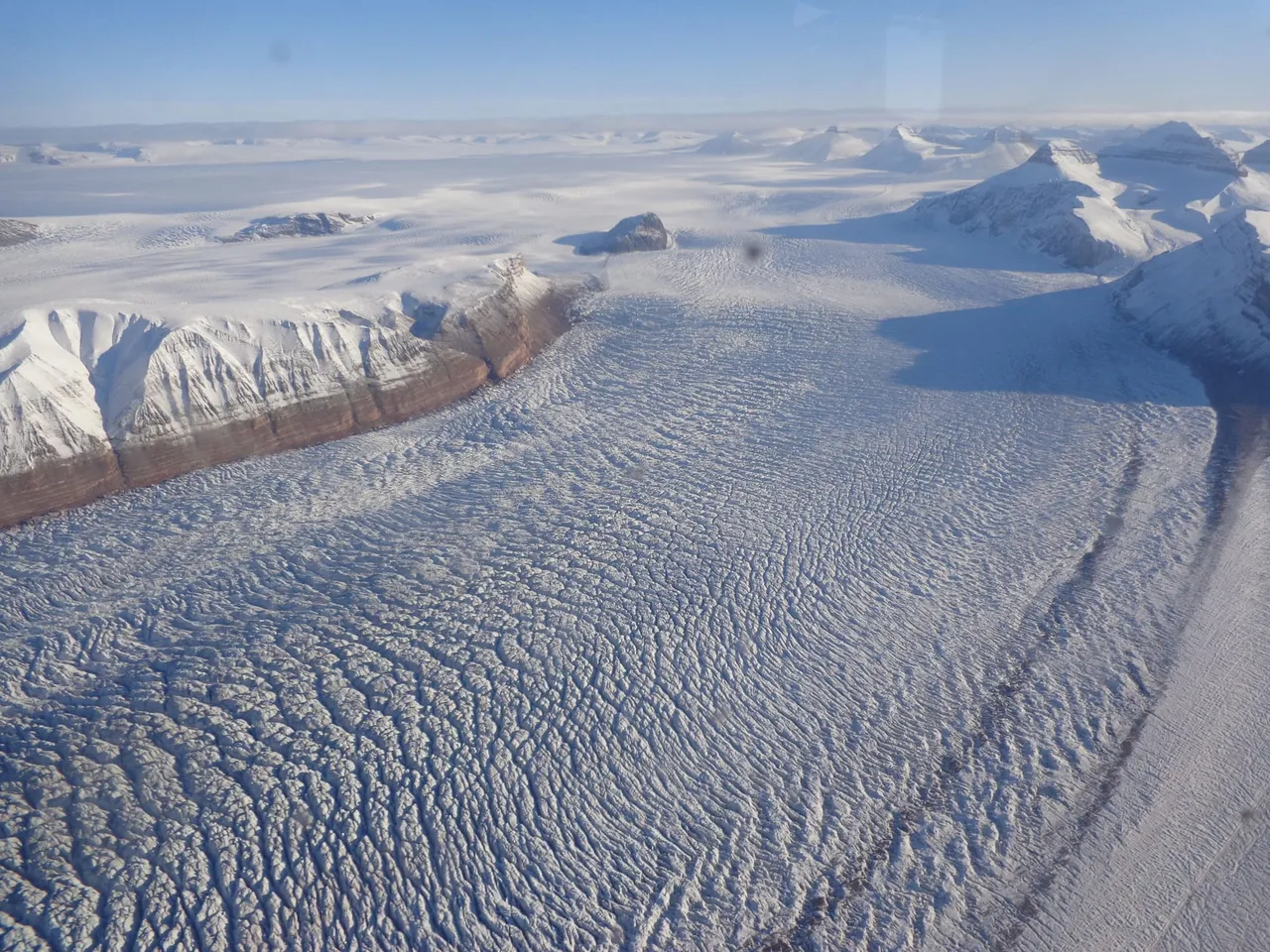
Photo: Superchilum, CC BY-SA 3.0

Animals and disease
- Rabies exists in Svalbard. Don’t touch dead animals, and keep away from animals that behave strangely. Report them to the Governor’s hotline.
- A tapeworm carried by the local field mouse can infect people and cause serious liver damage. Boil water collected around cabins and old or current settlements, and wash your hands well before meals.
Practical info
- Getting there
- Guided trips leave from Longyearbyen. Independent trips outside the travel area need an application to the Governor at least four weeks ahead.
- Season
- Avalanche warnings 1 December to 31 May; polar night 14 November to 29 January; fog and drift ice are common in summer.
- Cost level
- high
- Booking tips
- Buy insurance that covers medical evacuation. Choose guided trips unless you are experienced. Pack medicines in hand luggage.
Save these numbers: 112 (emergency), 113 (medical), 02800 (police on duty), +47 79 02 12 22 (Governor’s hotline; use it from a satellite phone).
Sources
- https://www.sysselmesteren.no/contentassets/5f359e34e35d43a7a29f36064eaebc1c/folder_sysselmannen_svalbard_a5_engelsk.pdf
- https://www.sysselmesteren.no/en/contact/
- https://www.sysselmesteren.no/en/hunting-trapping-and-fishing/
- https://en.visitsvalbard.com/dbimgs/2024InformationfromLongyearbyenHospital.pdf
- https://en.visitsvalbard.com/visitor-information/travel-information/everything-you-need-to-know-before-departure
- https://en.visitsvalbard.com/visitor-information/faq
- https://en.visitsvalbard.com/visitor-information/rules-of-svalbard-and-safety
- https://www.sysselmesteren.no/en/travel-in-svalbard/application-and-registration-requirement-for-trips-to-svalbard/
- https://www.sysselmesteren.no/en/news/2025/11/new-regulations-on-field-safety-in-svalbard-from-1-january/
- https://www.varsom.no/en/avalanches/avalanche-warnings/
- https://www.sysselmesteren.no/en/news/2026/03/significant-avalanche-danger-on-nordenskiold-land
- https://en.visitsvalbard.com/inspiration/various/the-polar-night-in-svalbard