Rules and regulations for visitors
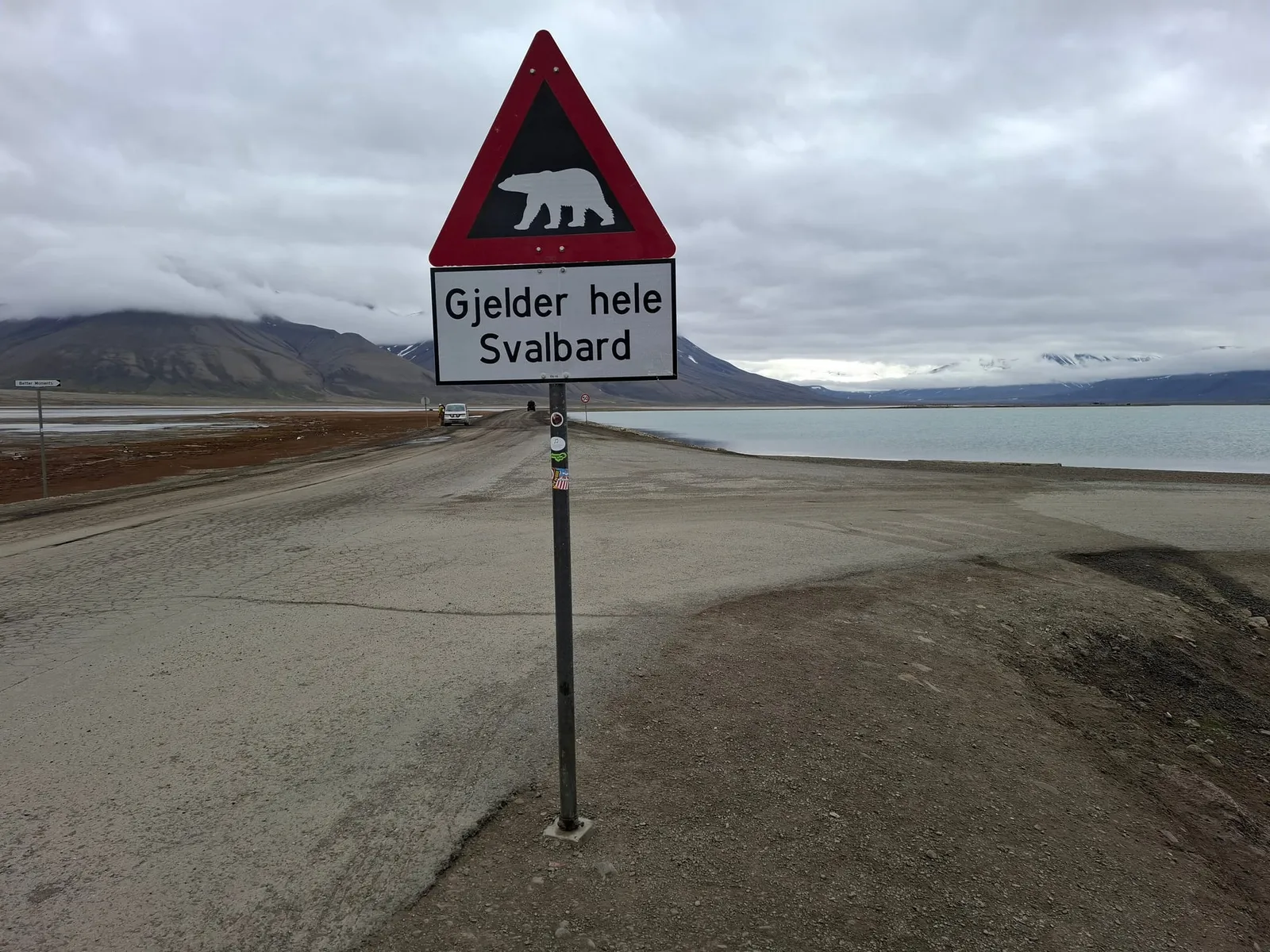
Photo: Kawon Kez Sel, CC0

Svalbard has more rules for visitors than most places, and they’re enforced. Most of them come down to two things: keeping people safe from polar bears and the Arctic, and protecting a fragile environment and its history. This page sums up the rules that matter most for a visit. The Governor of Svalbard (Sysselmesteren) has the full and current versions.
The short version
- Don’t leave the settlements without polar bear protection. In practice: go with a guide.
- Keep your distance from polar bears: at least 300 metres, and 500 metres from 1 March to 30 June.
- Don’t disturb wildlife, and don’t pick flowers.
- Don’t touch anything from before 1946. It’s protected cultural heritage.
- Leave no trace. Take your litter home.
- No drones in Longyearbyen or in any protected area.
- Planning a trip on your own beyond the area around Longyearbyen? Apply to the Governor at least four weeks ahead.
Polar bears and firearms
Polar bears can turn up anywhere in Svalbard. That’s why the rules are strict:
- Outside the settlements, everyone must carry suitable means of scaring off polar bears. Don’t leave the settlements without a suitable gun and experience in using it, or simply go with a guide.
- It is forbidden to lure, pursue or otherwise seek out polar bears in a way that disturbs them or puts bears or people in danger.
- Distance: at least 300 metres from a polar bear, and 500 metres from 1 March to 30 June. If a bear comes close, you must retreat.
- Loaded firearms are forbidden in Longyearbyen. Guns must be carried visibly unloaded, and not into shops or public buildings.
- Renting a rifle requires permission from the Governor, and processing currently takes up to eight weeks.
See Polar bear safety for the full picture.
Trips outside town
- On a guided tour, the tour company is responsible for meeting the rules. You don’t need to apply for anything yourself.
- On your own, you can travel within the travel area around Longyearbyen (formerly management area 10) with polar bear protection. Beyond it, you must apply to the Governor at least four weeks before the trip, and carry search and rescue insurance, which depends on the zone you’re going to.
- Guides: under the field safety rules that took effect in 2026, from 1 July 2027 tour operators working outside the settlements must use approved Svalbard guides.
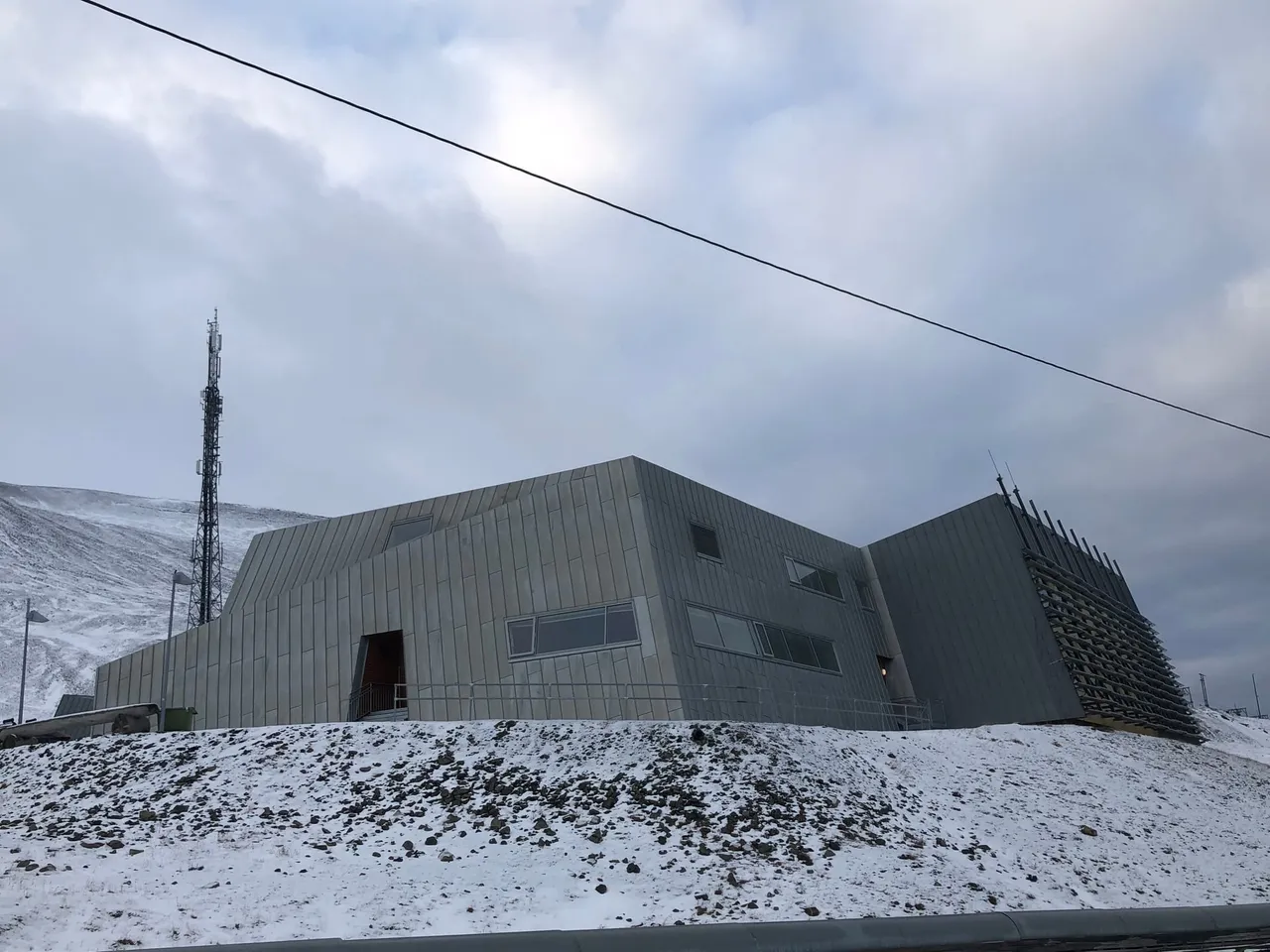
Photo: Ssu, CC BY-SA 4.0

Nature and wildlife
- Don’t disturb birds and other animals, and don’t pick flowers.
- Bird sanctuaries are closed to all traffic from 15 May to 15 August, on land and within 300 metres of the shore.
- Bird cliffs: from 1 April to 31 August, boats closer than 500 metres to land must keep to 5 knots, and drones may not fly within 500 metres.
- Leave no lasting signs of your visit, and take your litter with you.
- Fossils: you can look for plant fossils on hikes, and they make a popular souvenir.
Cultural heritage
All traces of human activity from before 1946 are protected by law, including much of what is left of the old mining industry. Look, photograph, and leave everything where it is. See What to see in Longyearbyen.
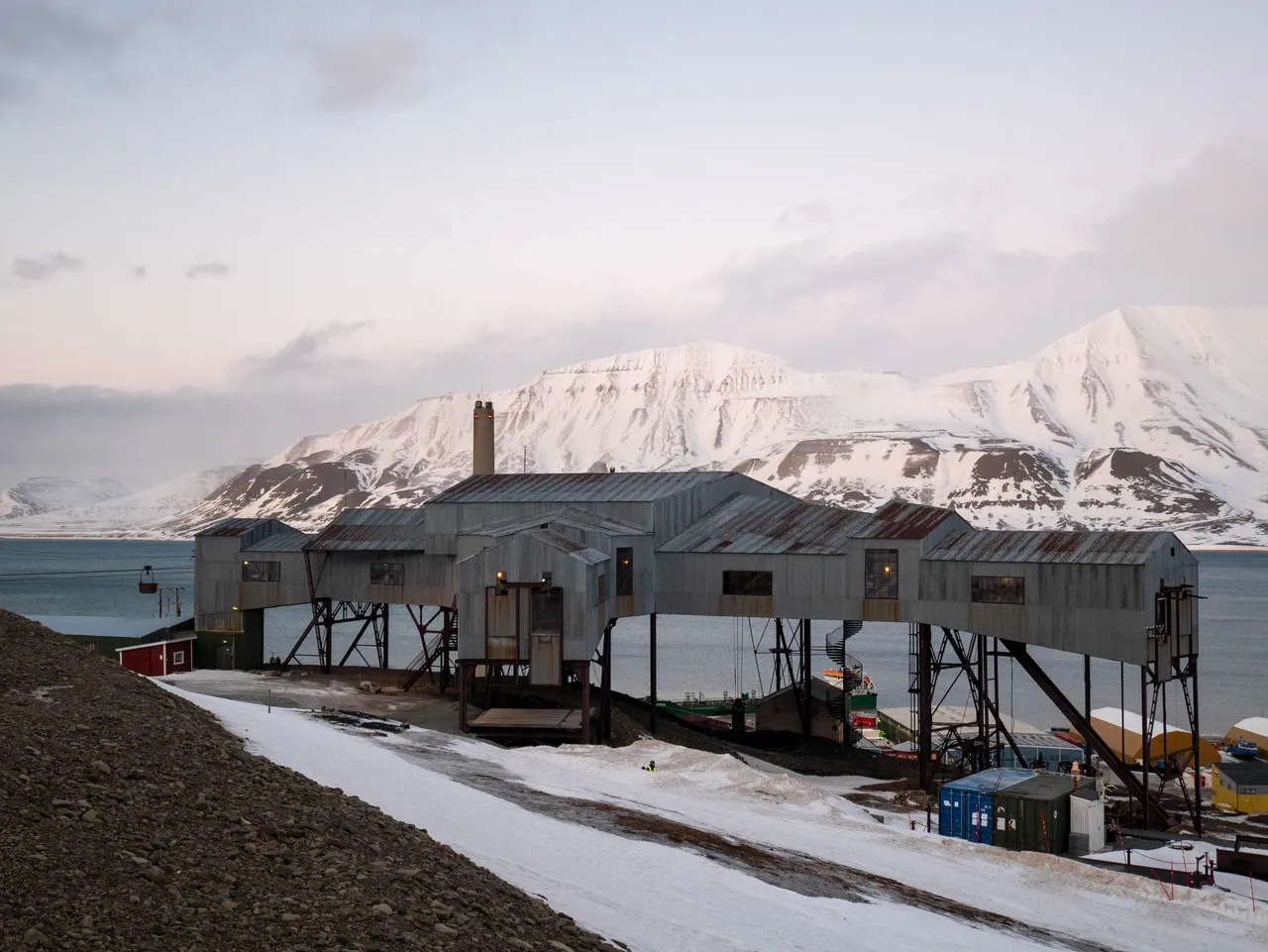
Photo: Julianfoto, CC BY-SA 4.0

Protected areas, landings and camping
About 65% of Svalbard’s land is protected as national parks and nature reserves.
- Landing for tourist activities in protected areas is allowed only at specific mapped sites, and only with a guide. The rule doesn’t apply to individual travellers unless they take part in tourist activities.
- Ships in national parks may carry no more than 200 passengers.
- Camping: individual travellers need a permit from the Governor to camp in the same place for a week or more, and every camp must have an organised polar bear watch while people are in it.
See Choosing an expedition cruise.
Motor traffic
- No driving on bare ground. Motor vehicles may not be driven on bare ground off the roads.
- Snowmobiles may only be used in permitted areas, and you need a driving licence to drive one.
- Sea ice: after 1 March, motorised traffic is banned on the sea ice in selected fjords.
See More snowmobiles than people.
Drones
Drones are banned within 5 km of the airport, which covers all of Longyearbyen, and in all protected areas. See Drone rules.
Arriving and leaving
- Passport: Svalbard is outside Schengen, with passport control both ways. You need no visa for Svalbard itself, but you pass through mainland Norway. See Getting there.
- Environmental fee: every visitor pays NOK 150 to the Svalbard Environmental Protection Fund. It’s added to your ticket automatically.
- Customs: Svalbard is a separate customs area, so check what applies when you return to the mainland.
- Alcohol: to buy alcohol at Nordpolet, you need ID and your boarding pass.
- Pets: dogs need permission and a rabies vaccination. Cats and ferrets are not allowed at all. See Dogs per person.
Practical info
- Getting there
- Most rules are handled for you on a guided tour. On your own, apply to the Governor at least four weeks ahead for trips beyond the travel area.
- Season
- Polar bear distance 500 m from 1 March to 30 June. Bird sanctuaries closed 15 May to 15 August. Sea-ice traffic bans in some fjords after 1 March.
- Cost level
- low
- Booking tips
- Choose operators that follow the rules and use qualified guides. Check the Governor's website for the latest rules before you travel.
Sources
- https://en.visitsvalbard.com/visitor-information/rules-of-svalbard-and-safety
- https://www.sysselmesteren.no/en/news/2024/12/new-environmental-regulations-enters-into-force-on-1-january/
- https://www.sysselmesteren.no/en/travel-in-svalbard/application-and-registration-requirement-for-trips-to-svalbard/
- https://www.sysselmesteren.no/en/weapon/
- https://www.sysselmesteren.no/en/news/2025/11/new-regulations-on-field-safety-in-svalbard-from-1-january/
- https://www.sysselmesteren.no/en/drones-on-svalbard/
- https://en.visitsvalbard.com/visitor-information/faq
- https://en.visitsvalbard.com/visitor-information/polar-bears
- https://en.visitsvalbard.com/things-to-do/activities/hiking
- https://www.miljovernfondet.no/en/about-svalbard-environmental-protection-fund/
- https://www.mattilsynet.no/en/animals/traveling-with-dogs-domestic-birds-rabbits-and-rodents-to-Svalbard
- https://www.regjeringen.no/en/documents/meld.-st.-26-20232024/id3041130/?ch=2
- https://cruise-handbook.npolar.no/en/svalbard/protected-areas.html
- https://www.toll.no/en/corporate/import/norwegian-customs-in-svalbard